
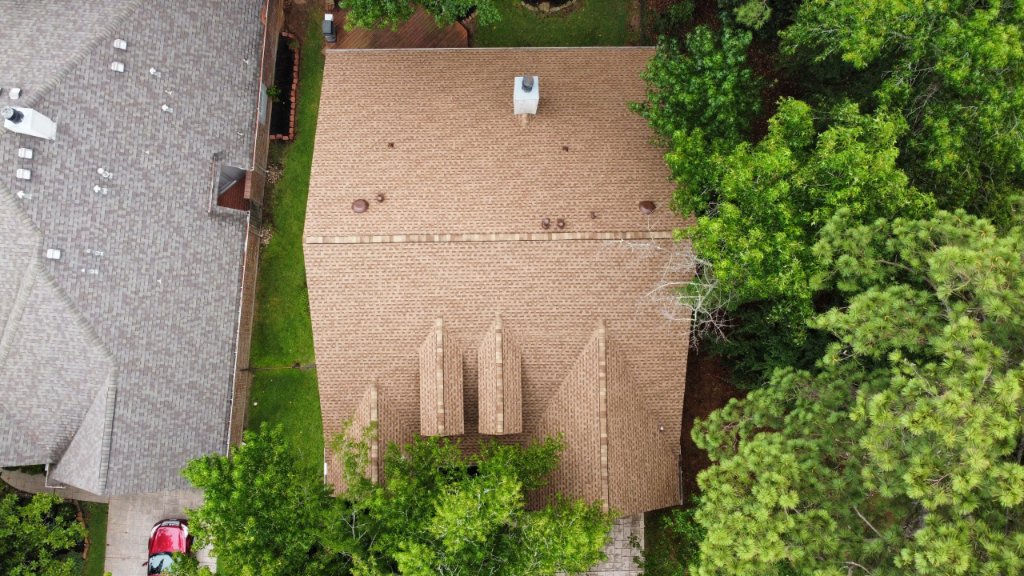
Roofing 101: A Comprehensive Guide to a Strong and Reliable Roof
A strong and reliable roof is essential for the protection and longevity of your home. This guide provides valuable insights on roofing materials, maintenance, inspections, and when to repair or replace your roof.
Understanding Roofing Materials
Choosing the right roofing material is crucial for durability, aesthetics, and cost-effectiveness. Here are the most common options:
Asphalt Shingles
The most popular roofing material in North America, asphalt shingles are affordable, durable, and come in a wide variety of colors and styles. They typically last 20-30 years with proper maintenance.
Metal Roofing
Metal roofs are extremely durable and can last 50+ years. They're energy-efficient, fire-resistant, and environmentally friendly. While more expensive upfront, their longevity makes them cost-effective over time.
Tile Roofing
Clay or concrete tiles offer excellent durability and can last over 50 years. They're ideal for hot climates and provide superior insulation. However, they're heavy and require proper structural support.
Slate Roofing
Natural slate is one of the most durable roofing materials, lasting 100+ years. It's fire-resistant, eco-friendly, and adds classic elegance to any home. The main drawback is its high cost and weight.
The Importance of Proper Installation
Even the best roofing materials will fail prematurely if not installed correctly. Professional installation ensures proper ventilation, waterproofing, and structural integrity. Always hire licensed, experienced roofers with good references and insurance coverage.
Regular Maintenance Is Key
Routine maintenance extends your roof's lifespan and prevents costly repairs. Essential maintenance tasks include:
- Cleaning gutters and downspouts regularly
- Removing debris, leaves, and branches
- Checking for missing or damaged shingles
- Inspecting flashing around chimneys and vents
- Looking for signs of moss, algae, or mold
- Ensuring proper attic ventilation
When to Schedule a Roof Inspection
Schedule professional roof inspections:
- Twice a year (spring and fall)
- After severe weather events
- Before buying or selling a home
- If you notice interior water stains or leaks
- When your roof approaches 15-20 years old
Signs You Need Roof Repair
Watch for these warning signs that indicate needed repairs:
- Missing, cracked, or curling shingles
- Water stains on ceilings or walls
- Granules in gutters (from asphalt shingles)
- Sagging roof deck
- Daylight visible through roof boards
- Increased energy bills due to poor insulation
Repair vs. Replacement: Making the Right Choice
Deciding between repair and replacement depends on several factors. Consider replacement if your roof is over 20 years old, has widespread damage, requires frequent repairs, or shows significant structural issues. Minor damage localized to small areas can usually be repaired cost-effectively.
The Roof Replacement Process
A typical roof replacement involves:
- Initial inspection and estimate
- Choosing materials and scheduling
- Removing old roofing materials
- Inspecting and repairing roof deck
- Installing underlayment and flashing
- Installing new roofing materials
- Final inspection and cleanup
Conclusion
A well-maintained roof protects your home, family, and belongings from the elements. By understanding roofing materials, performing regular maintenance, and knowing when to repair or replace, you can maximize your roof's lifespan and avoid costly emergency repairs. Partner with a trusted roofing professional to ensure your roof remains strong and reliable for years to come.